
Like many of you, I love seeing birds in my garden. I have several bird feeders, and I include plants in my garden that attract birds by providing food, cover, and nesting areas.
If you’re new to watching birds, you might need a little help identifying the birds you see in your backyard. Here are the top 5 birds that are very common in southeastern U.S. backyards.
Northern Cardinal
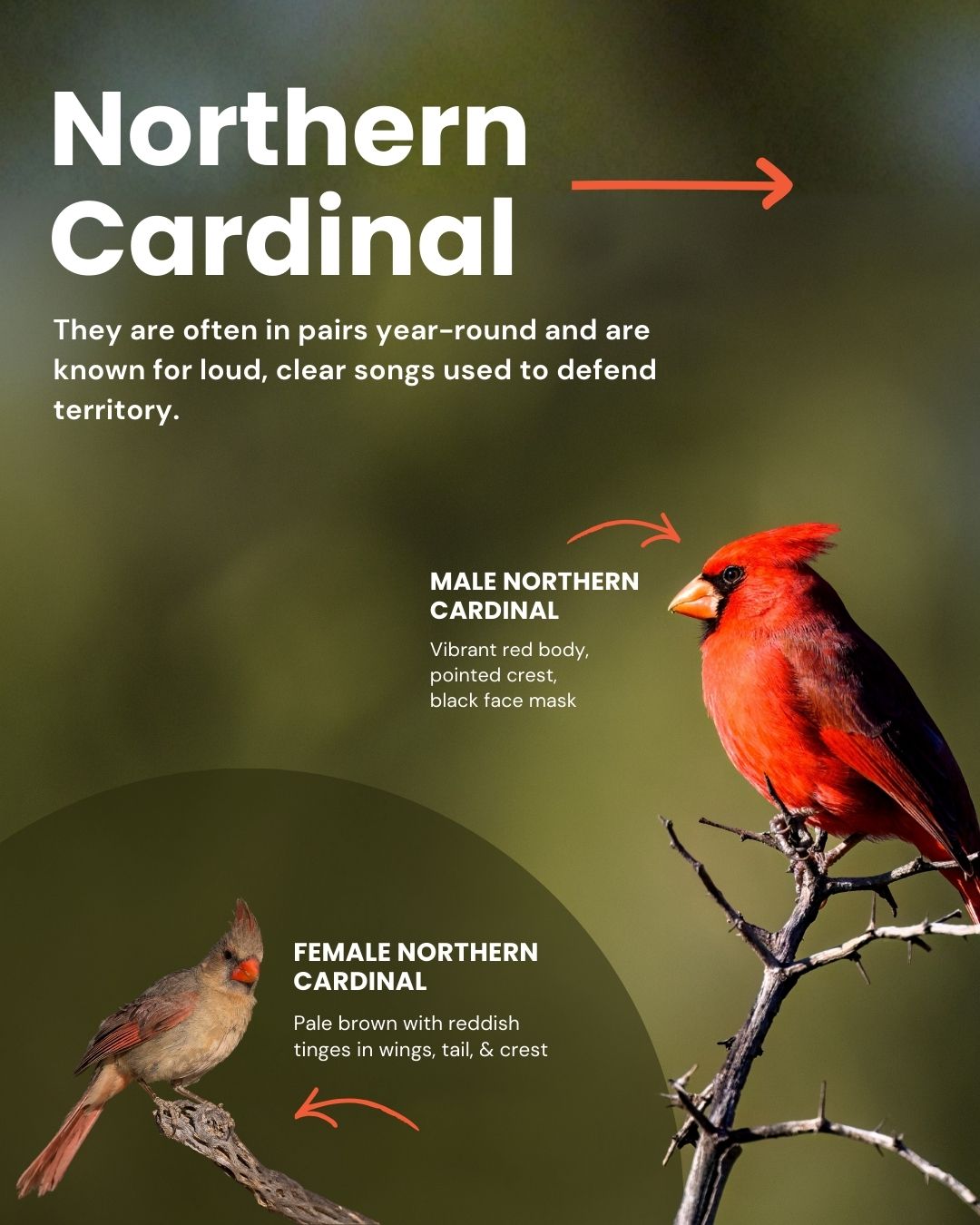
The bright red feathers and crested head of the male northern cardinal make it a backyard favorite. In winter, it stands out against the stark background of leafless trees. It’s a welcome spot of color.
The male cardinal has a vibrant red body, a pointed crest, and sports a black face mask with a bright orange-red beak. The female cardinal is pale brown with reddish tinges on the wings, tail, & crest. She also has a bright red-orange beak. You can view photos of these birds and learn more about identifying them on the Cornell Lab’s website here.
Cardinals don’t migrate – so you can see them year-round. In my backyard, they love black sunflower seeds. You often see a male and a female together. For those who want to learn the songs of these birds, visit the Cornell Lab’s website, where they have collected a wide variety of the Northern Cardinal’s calls and songs.
House Finch
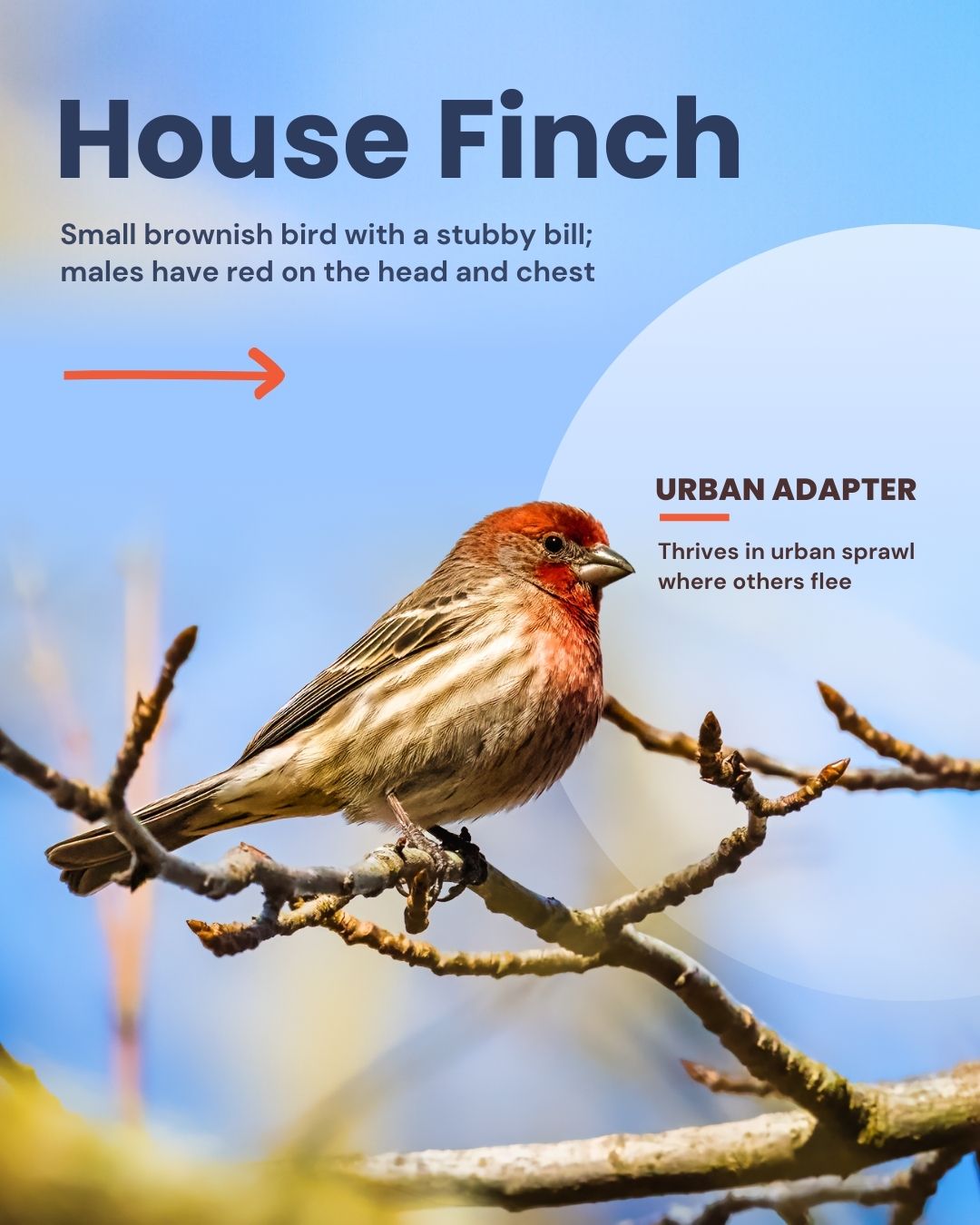
The house finch truly is the ubiquitous backyard bird. It is found throughout most of the United States year-round, as it does not migrate. Originally found only in the Western U.S. and Mexico, several birds were released in New York in 1940, and the rest is history (Source: Cornall Ornithology Lab). This bird thrives in urban areas and can be found at almost any feeder.
The house finch is a small brownish bird with a stubby bill; males have red on the head and chest. The red color comes from its diet, so the color can range from orange to yellow depending on the food source.
House finches are very social and can often be found in groups. They have a very pretty song, you can hear it here: https://www.allaboutbirds.org/guide/House_Finch/sounds
Blue Jay
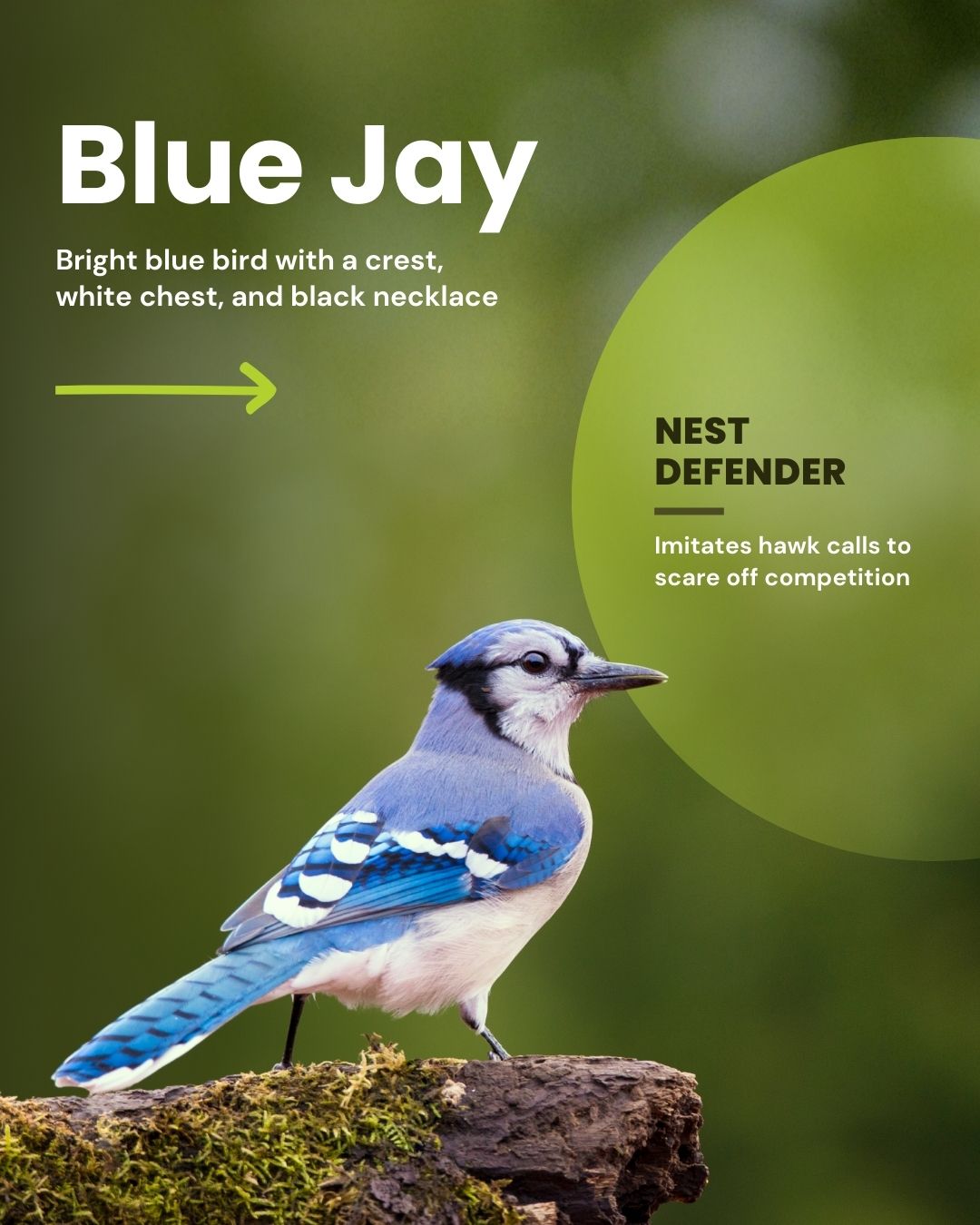
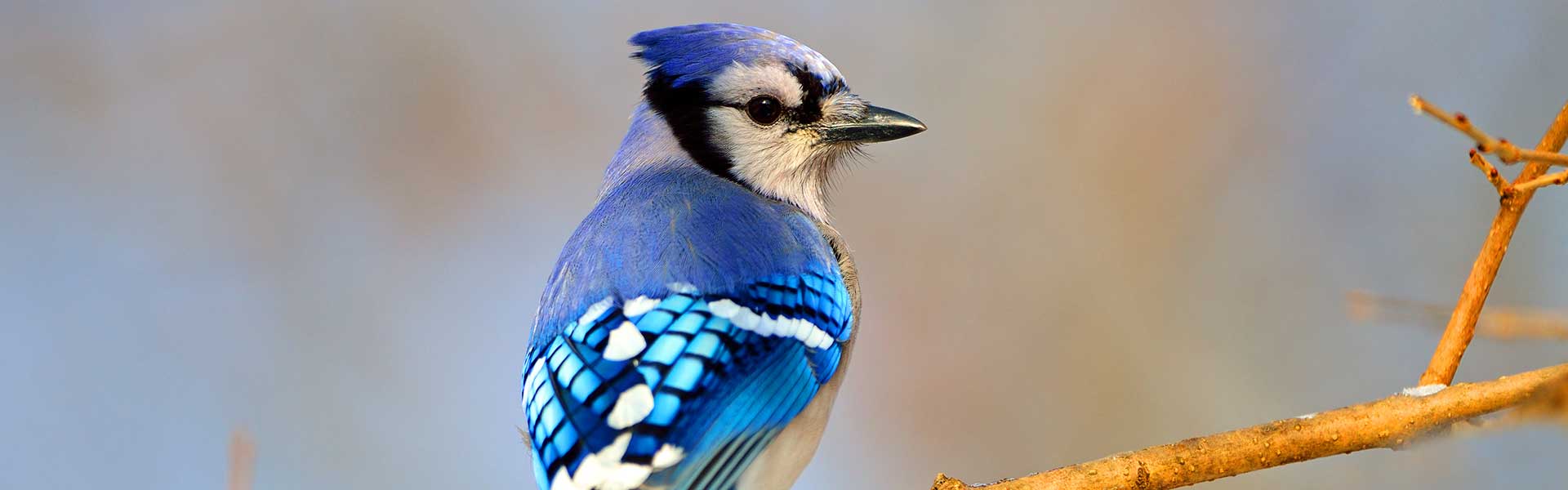
Male and female blue jays are nearly identical (monomorphic), with a blue crest and white face; blue, black, and white feathers, and a black beak. These birds are rather large, ranging between 10 to 12 inches in length with a 13-17 inch wingspan.
You won’t typically see a blue jay at a tube or house feeder, but they will eat from a platform feeder or on the ground. They prefer peanuts, sunflower seeds, or acorns and will also feed on suet.
Blue jays are found year-round in the eastern U.S. In the 1980s, their populations declined in certain areas, but they have since recovered. I remember noting the absence of blue jays in Mississippi for many years. Their call is so loud, it’s hard to miss, so their absence was quite noticeable (listen to their sounds here). I’m pleased to say that we have seen more and more of them lately.
American Robin
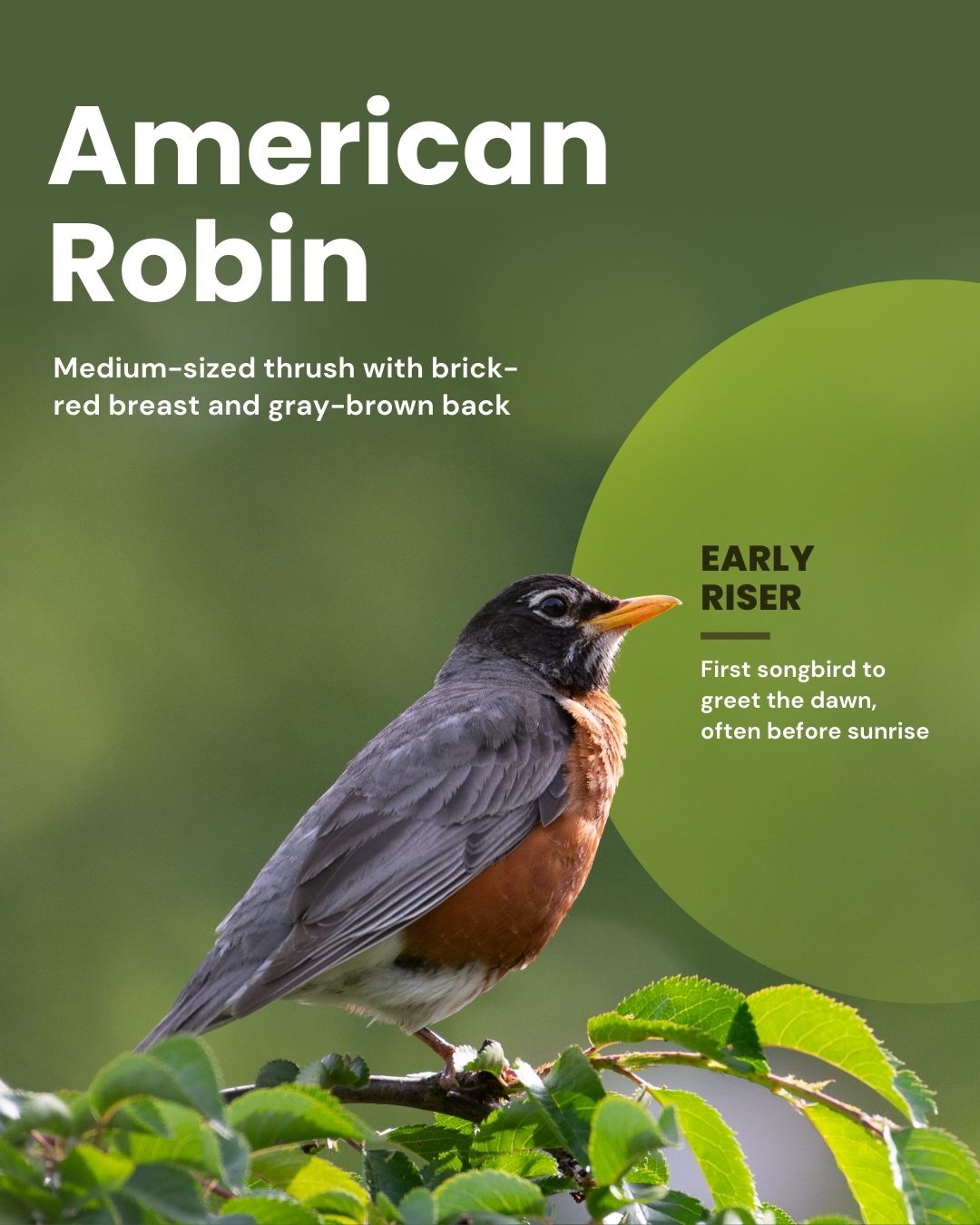
American robins are the harbinger of spring. They show up in early spring and begin their odd bobbing in the lawn for worms. The story goes, once you see the first robin in your yard, spring is right around the corner. However, many robins will spend the whole winter in their breeding range (source All About Birds), but they may be up in trees rather than on the ground, making them harder to spot.
American robins have a red-orange chest, a black head with white around the eyes, and brown-black wings and tail. They can be found in almost any city or town.
I am always amazed at how a group of robins seems to space themselves on a lawn and maintain this spacing evenly, even as individual birds move to seek out worms from the grass.
Northern Mockingbird
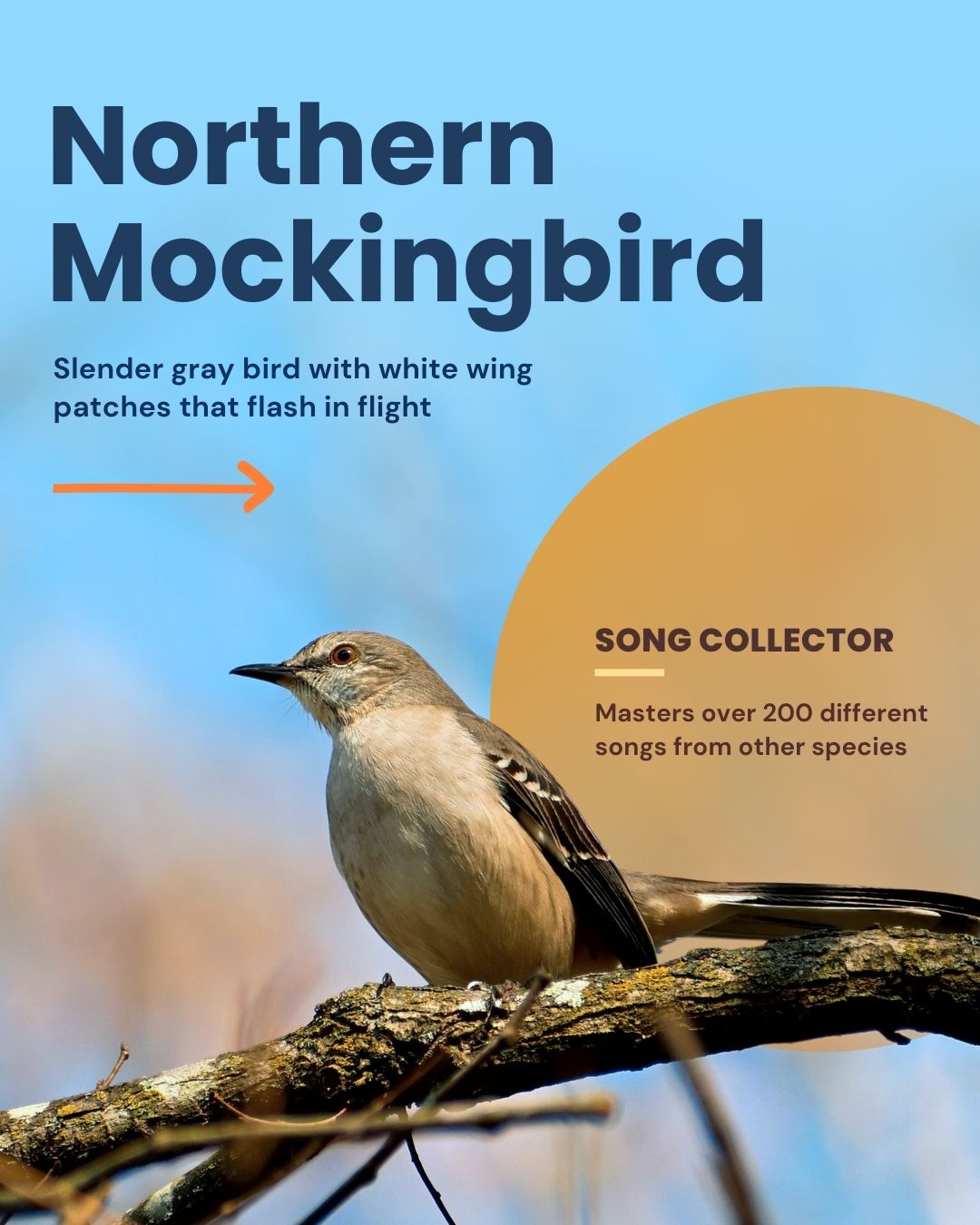
If you live in the southern U.S., you are familiar with the northern mockingbird. This slender, gray bird, with a white belly and white bars along its dark gray/black wings, is an amazing mimic. It can copy hundreds of songs from other birds and often strings together calls from several birds.
For anyone (or any cat) who dares to venture somewhere a mockingbird doesn’t want you to be, you may suffer a peck on the head (or the tail). These small birds are fearless and highly defensive.
I have seen one trap my cat in the grass. Every time the cat got up to move, the mockingbird swooped in to pinch the tip of the cat’s tail. I don’t know what the bird was defending, but it worked. The cat slowly skulked away.
I have also witnessed a mockingbird pecking at the heads of anyone who dared to walk on the sidewalk beneath it that day. You would be amazed at how fast people run from a bird.
Northern mockingbirds feed largely on fruits, so you won’t often find them at your feeders. They may grab some suet or sunflower seeds, given the chance. If you use a platform feeder, you may attract these birds to the feeder.
I have seen many mockingbirds do this move: take a few steps, open their wings to stretch, take a few more steps, repeat. I have never been able to determine why they do this, but it seems to be a common movement.
Learn More about Attracting Birds to Your Backyard
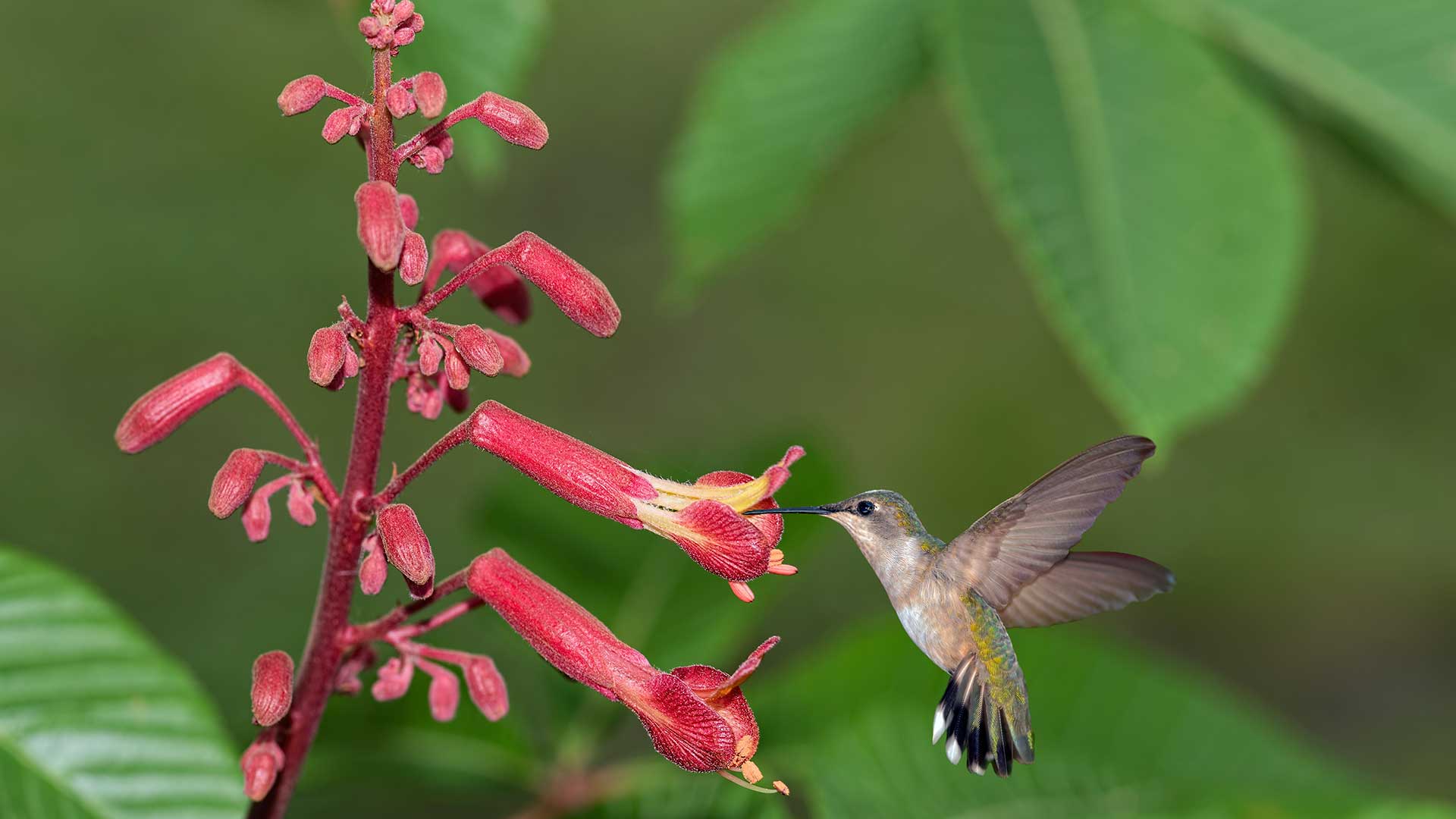
How to Attract Hummingbirds to Your Garden in Early Spring
When the early hummingbirds start to arrive, there isn’t much in bloom, so adding early-spring-blooming flowering plants to your garden and hanging up hummingbird feeders can help attract the birds. Here are five flowering shrubs, vines, and plants that hummingbirds feed on in early spring. Red Buckeye In my opinion, one of the best early…
Continue Reading How to Attract Hummingbirds to Your Garden in Early Spring
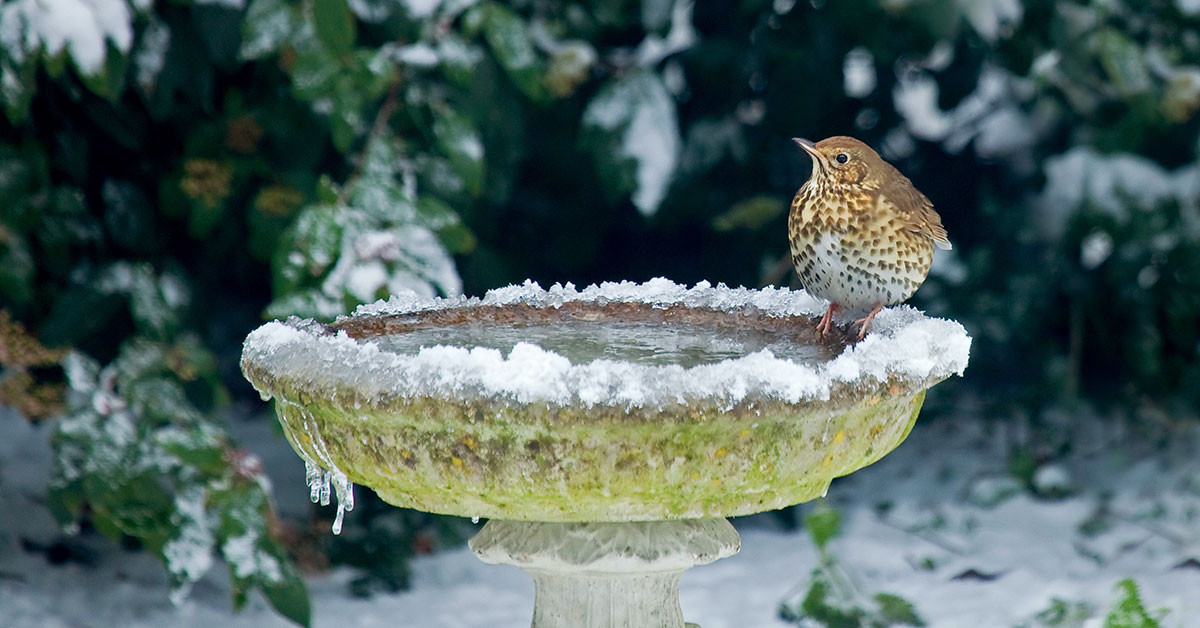
Bird Baths in Winter: How to Unfreeze Your Bird Bath
Birds need water to survive, so keeping a bird bath full of fresh water will attract many different species. Here are some tips on how to keep your bird bath filled with water all year round. Do Birds Need Water in Winter? Winter is here, and the birds in your backyard are thirsty. Sure, they…
Continue Reading Bird Baths in Winter: How to Unfreeze Your Bird Bath
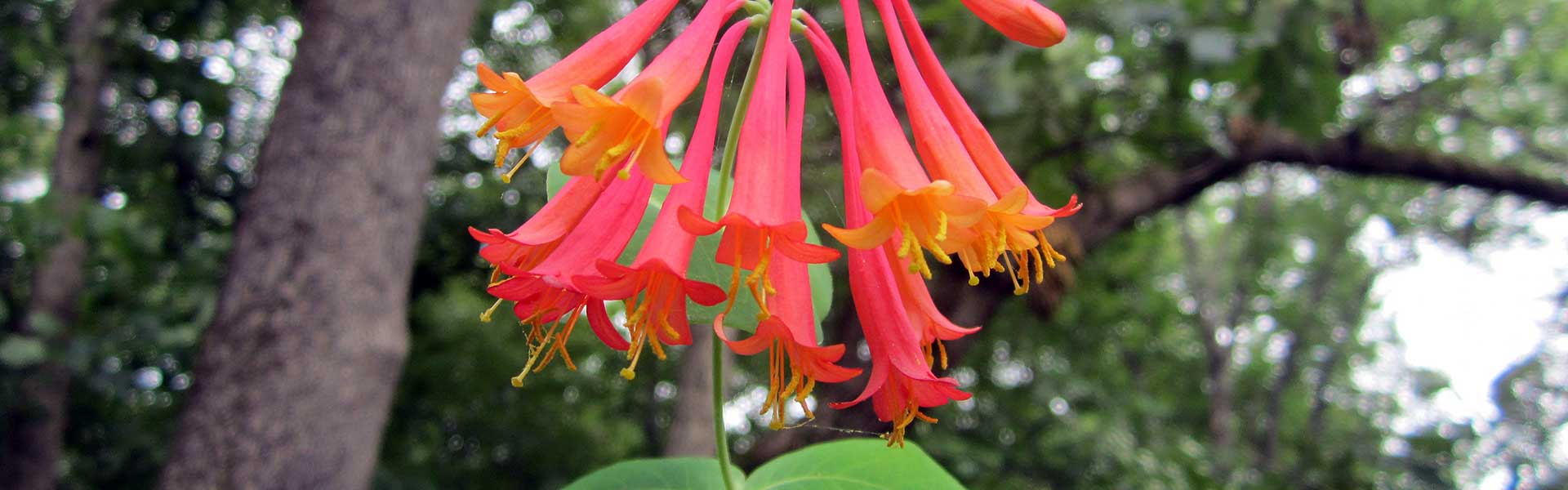
Coral Honeysuckle Vine: How to Grow This Native Vine for Hummingbirds
The slender, bright red, tubular flowers blooming at the ends of the coral honeysuckle vine (Lonicera sempervirens) will add a bright spot of color to your garden. The interior of the honeysuckle flowers is often yellow, making them stand out even more against the green leaves of this vine. Although the flowers of this vine…
Continue Reading Coral Honeysuckle Vine: How to Grow This Native Vine for Hummingbirds
Male and Female Birds that Look Alike – Monomorphic Birds
When I was young, I thought all the Blue Jays that I saw in our backyard were males. They had the crest, the bright colors, and the size of a typical male songbird. So, it just made sense to me. But I always wondered, why did I never see any female Blue Jays? What did…
Continue Reading Male and Female Birds that Look Alike – Monomorphic Birds

2022 Hummingbird Migration
Hummingbirds were sighted in Alabama and Louisiana in mid-February. They were spotted in Mississippi just a short while after that, so if you haven’t seen some yet, they’re headed your way! You can see the birds as they are sighted on the map below. 2022 Hummingbird Migration Map by Hummingbird Central Now is the time…
Celebrating Pollinators – Bees, Butterflies, Birds and More
National Pollinator Week occurs in mid- to late-June each year. The goal of this Week is to celebrate the beneficial insects, birds, and mammals that pollinate the flowers of plants that produce much of our food, maintain our ecosystems, stabilize soils, and provide wildlife habitat. It also serves to educate people about what they can…
Continue Reading Celebrating Pollinators – Bees, Butterflies, Birds and More
