
If you’re shopping for a plant for your Valentine, you are already winning.
Bouquets are lovely… for about five days. Then they become a sad science experiment on the kitchen counter.
But Valentine’s Day plants? Those are gifts that keep growing. They bloom again, they live on, and they remind your favorite person of you long after February 14th.
The trick is choosing the right one — especially if your Valentine is a beginner plant owner. Because nothing says “I love you” like a living plant… unless it dies immediately because nobody knew it needed indirect light and less water.
So let’s talk about the best red and pink plants for Valentine’s Day, plus exactly how to care for them (without accidentally loving them to death).
Why Valentine’s Day Plants Are Better Than Bouquets
Here’s my opinion, and I’ll stand by it: Forget giving cut flowers that wilt. Plants are way better than bouquets.
A bouquet of roses or a mixed flower bouquet is temporary décor. A plant is a relationship.
And like most relationships, success comes down to one thing:
Don’t overdo it.
Most indoor plant deaths happen because people water too much. Overwatering is basically the plant version of texting “are you mad at me?” seventeen times in a row.
Let’s avoid that.
The Best Valentine’s Day Plants to Gift Your Loved One (With Care Tips for Beginners)
There are several potted plants available at this time of year that would make a great Valentine’s Day gift, especially if your loved one is a gardener :)
I’m going to share ideas that work for both experienced plant lovers and plant newbies.
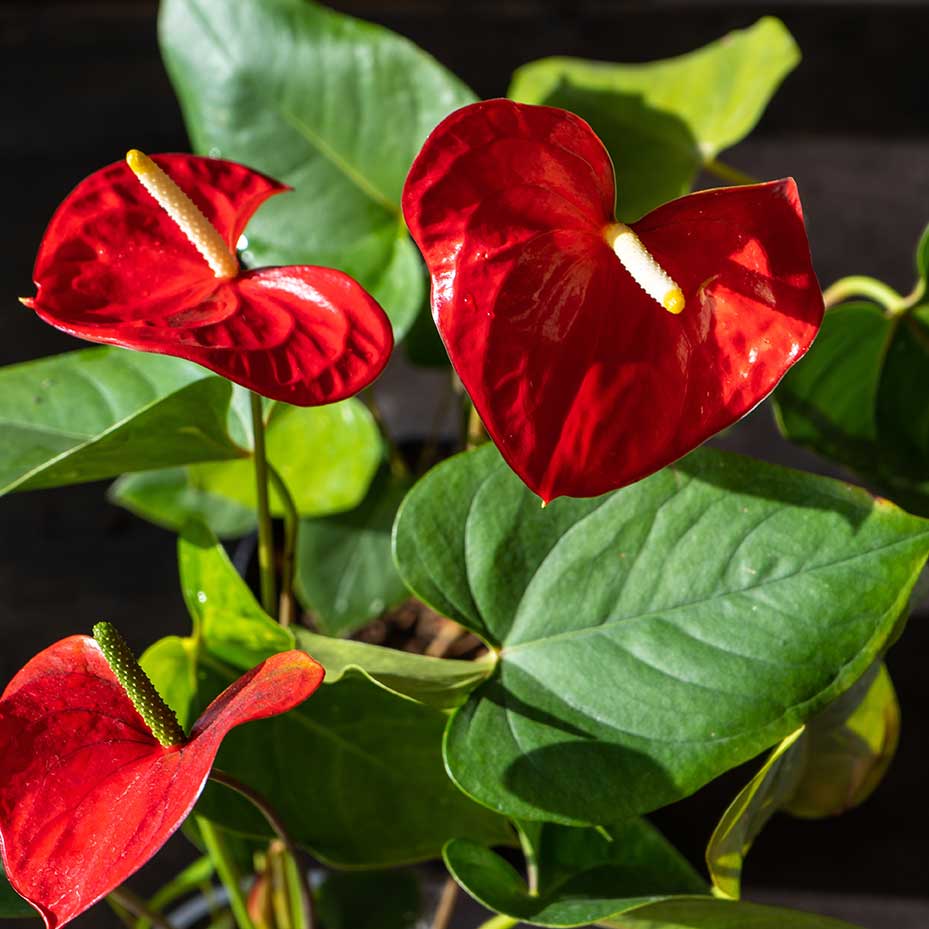
1. Anthurium (The Heart-Shaped Romantic)
Anthurium is practically designed for Valentine’s Day. Glossy red or pink heart-shaped blooms? Yes, please.
How to Care for Anthurium Houseplants:
- Light: Bright, indirect light
- Water: Let the top inch dry out first
- Bonus tip: Loves humidity, hates soggy soil
This is one of the best classic Valentine’s Day gift plants that still feels special.
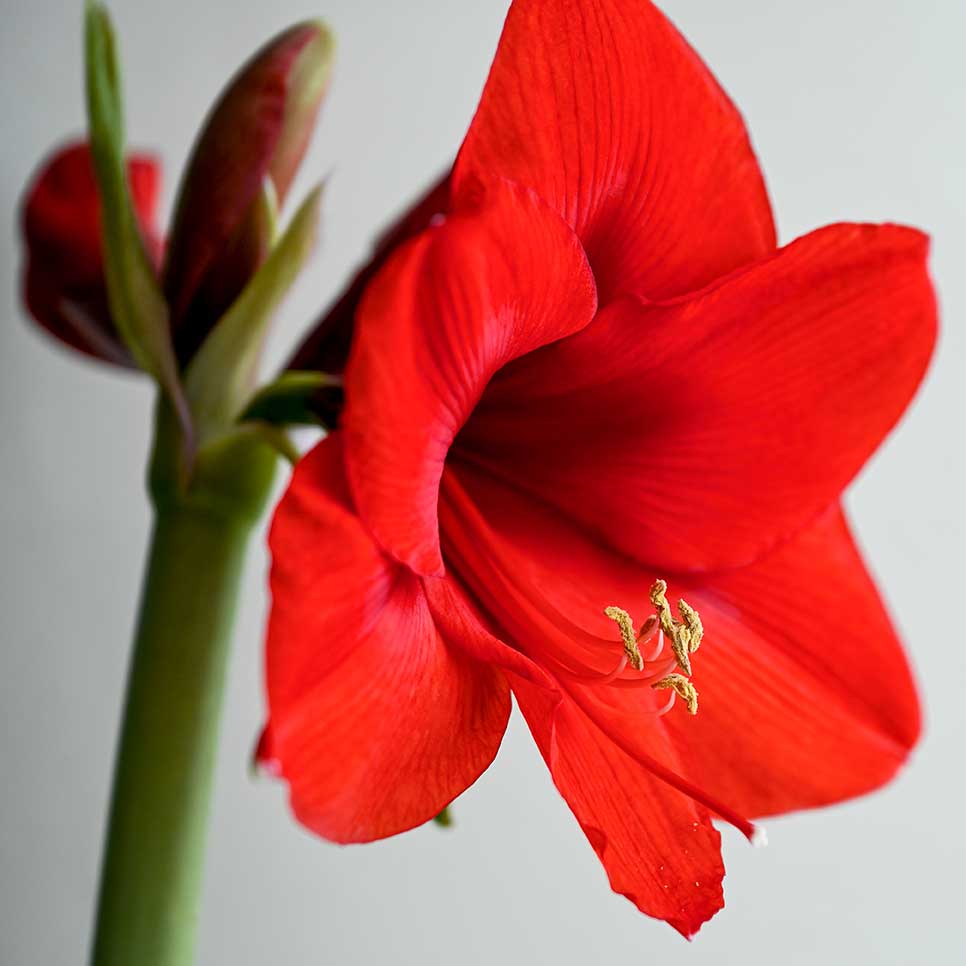
2. Amaryllis (The Dramatic Show-Off)
Amaryllis is the plant equivalent of showing up with roses and a string quartet. Huge blooms, often in red and pink.
How to Care for an Indoor Amaryllis:
- Light: Bright window light
- Water: Water lightly until it starts growing
- After blooming: Keep leaves growing so it can bloom again next year (You can even plant these outdoors, just make sure to remove any wax on the bulb before planting.)
An amaryllis flower is a great choice if you want something bold and unforgettable. There are so many gorgeous amaryllises to choose from. You can choose red, white, striped, double, and the list goes on.
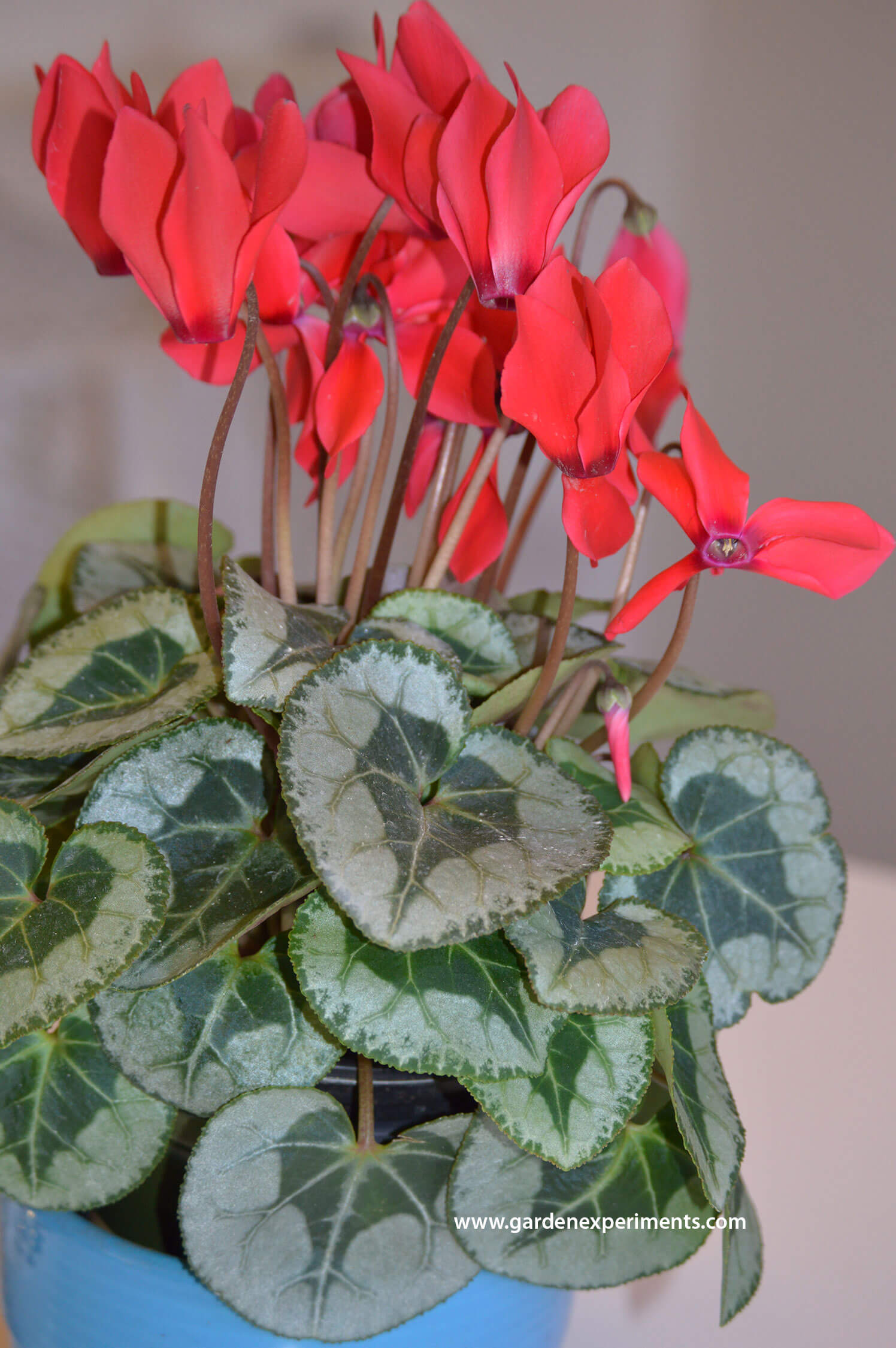
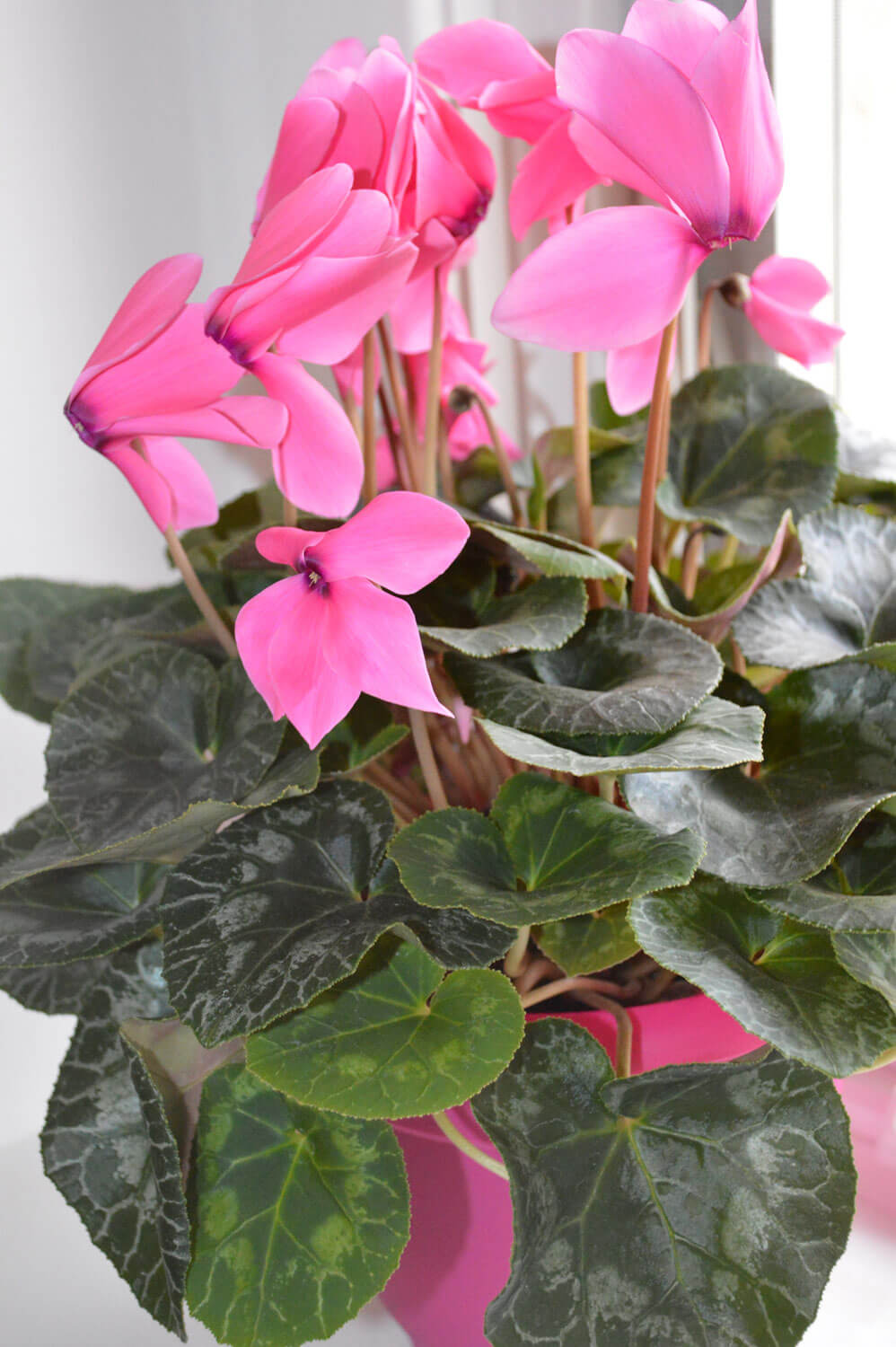
3. Cyclamen (The Cool-Weather Valentine)
Cyclamen has delicate pink, white, and red blooms that look like little butterflies hovering above the patterned leaves.
Care Tips for Cyclamen:
- Light: Bright, cool spot
- Water: Water from the bottom if possible
- Important: Likes cooler temps, not heat vents
Cyclamen is perfect for someone who loves a romantic cottage vibe.
How to Care for Cyclamen
I love the looks of a cyclamen, but they can be a bit tricky. They prefer cooler temperatures, so you may see the leaves yellowing if the temperature is too high (about 70 F). However, it can’t survive temperatures below 50°F because it is a tropical plant. It is important not to overwater or underwater this plant, and be sure to water at the soil level, not on the leaves.
Pour enough water to soak into the soil and let the extra water drain away. Once the flowers are gone, you can reduce watering. Fertilize every month at half strength. Light conditions that favor the cyclamen are bright indirect light.
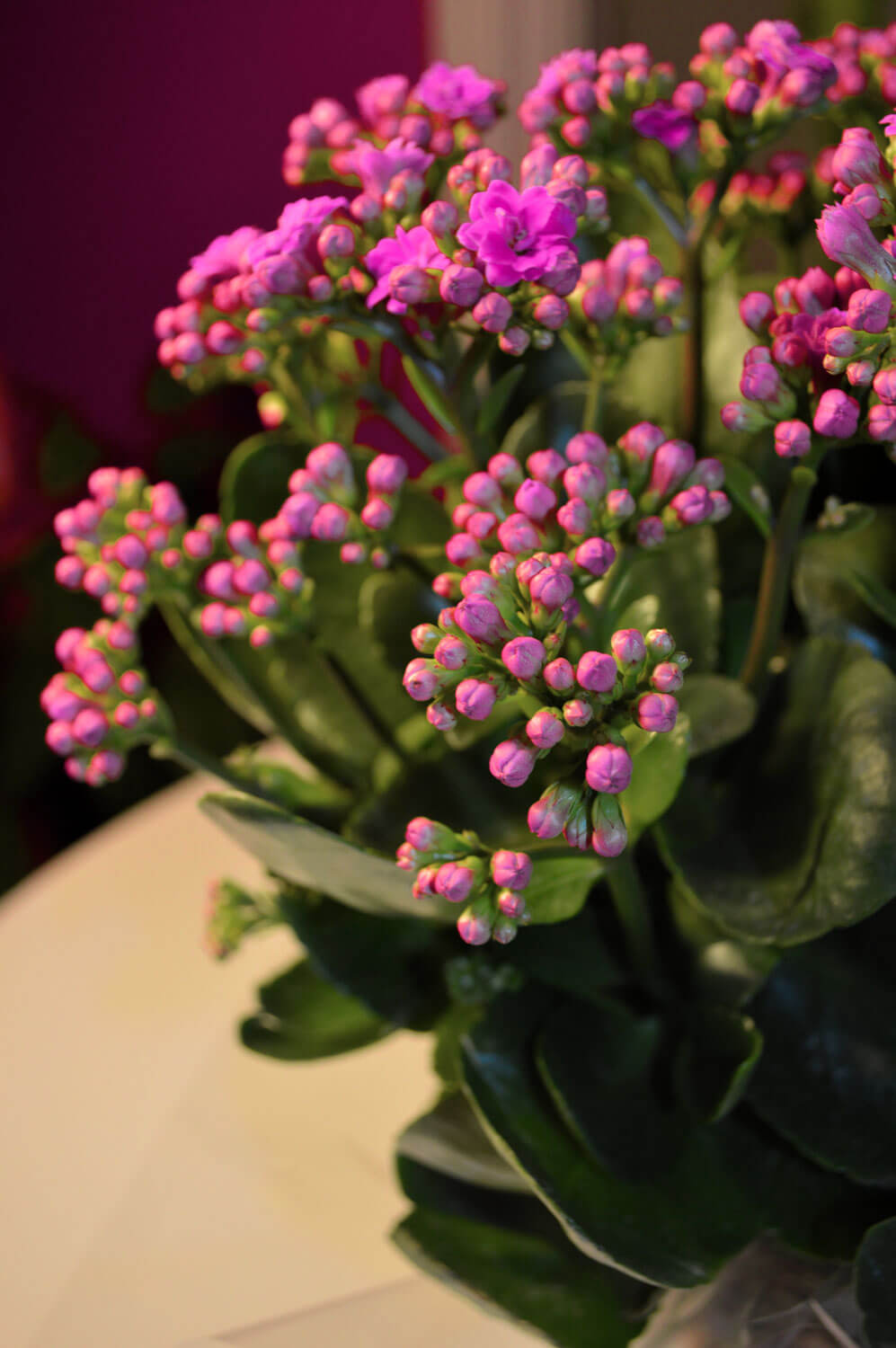
4. Kalanchoe (The Low-Maintenance Sweetheart)
If your Valentine is new to houseplants, kalanchoe is a fantastic starter. It blooms for weeks and barely complains.
This low-maintenance house plant can be found in shades of red, pink yellow, and white. The leaves are thick and waxy as this is a succulent. This is one of the best beginner-friendly red and pink plants for Valentine’s Day.
Kalanchoe Care Tips:
- Light: Bright light, even some sun
- Water: Let soil dry completely
- Best feature: Forgiving if you forget about it
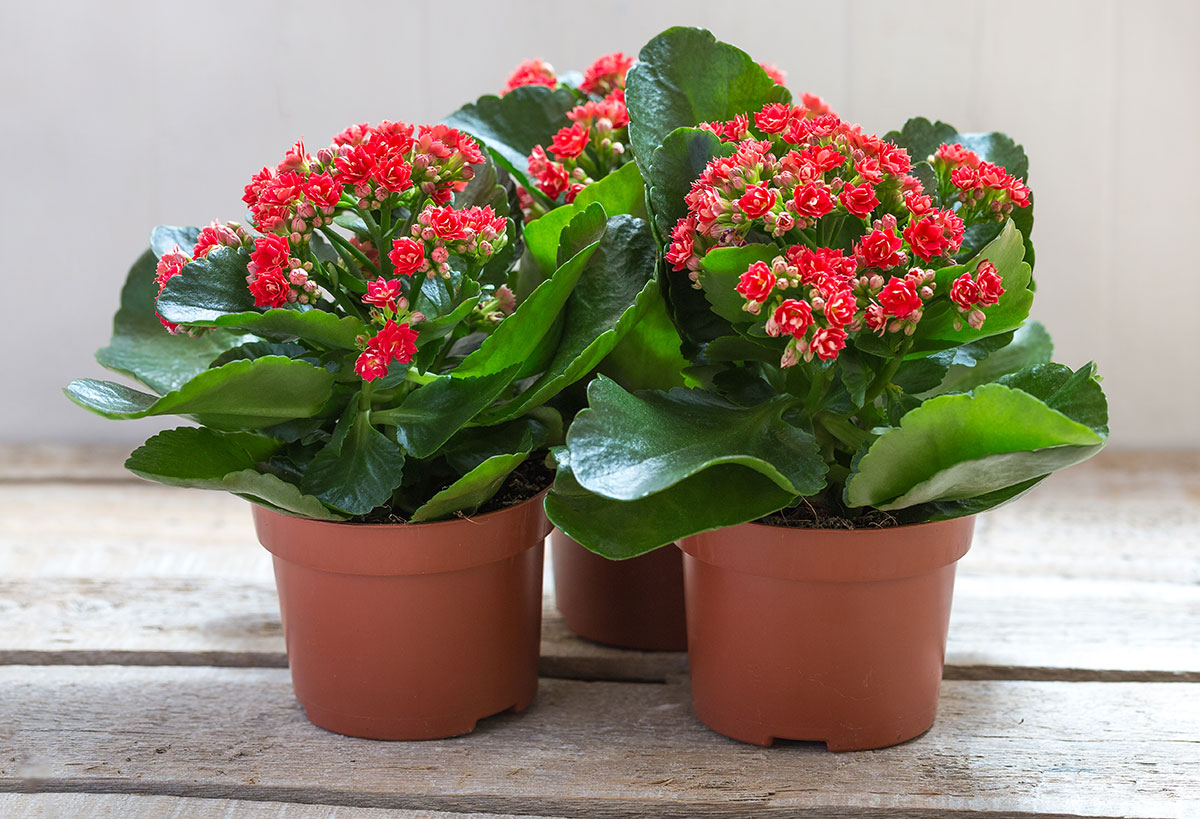
How to Care for Kalanchoe
It prefers bright, indirect light and requires minimal watering. Overwatering is the biggest danger to this plant, so be sure the soil dries out in between watering. Fertilize once a month.
If you don’t get much indoor light, then the plant will start to look leggy.
5. Calla Lily (The Elegant Valentine)
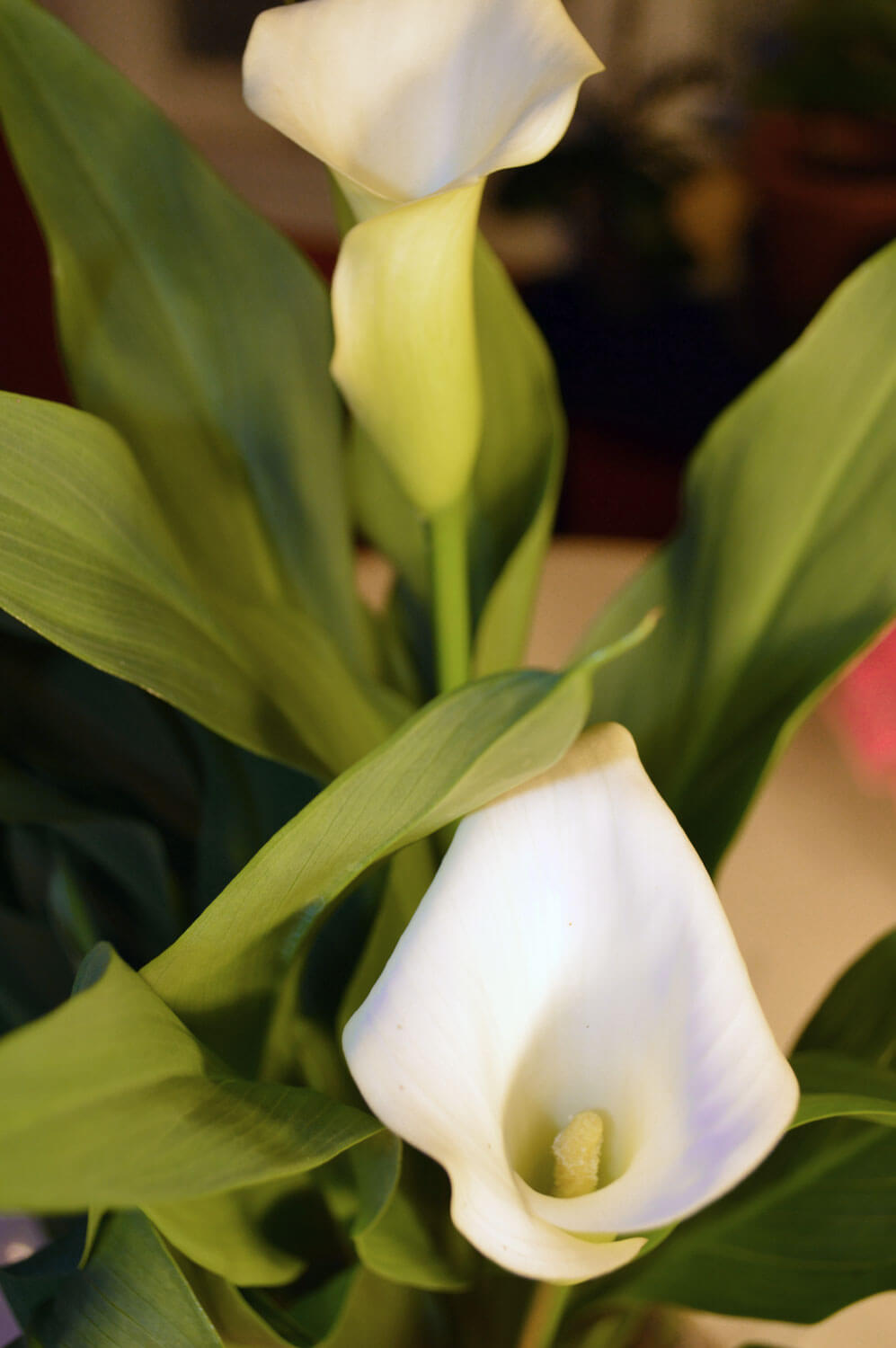
Calla lilies are sleek, modern, and ridiculously beautiful — the kind of plant that looks like it belongs in a romantic movie scene.
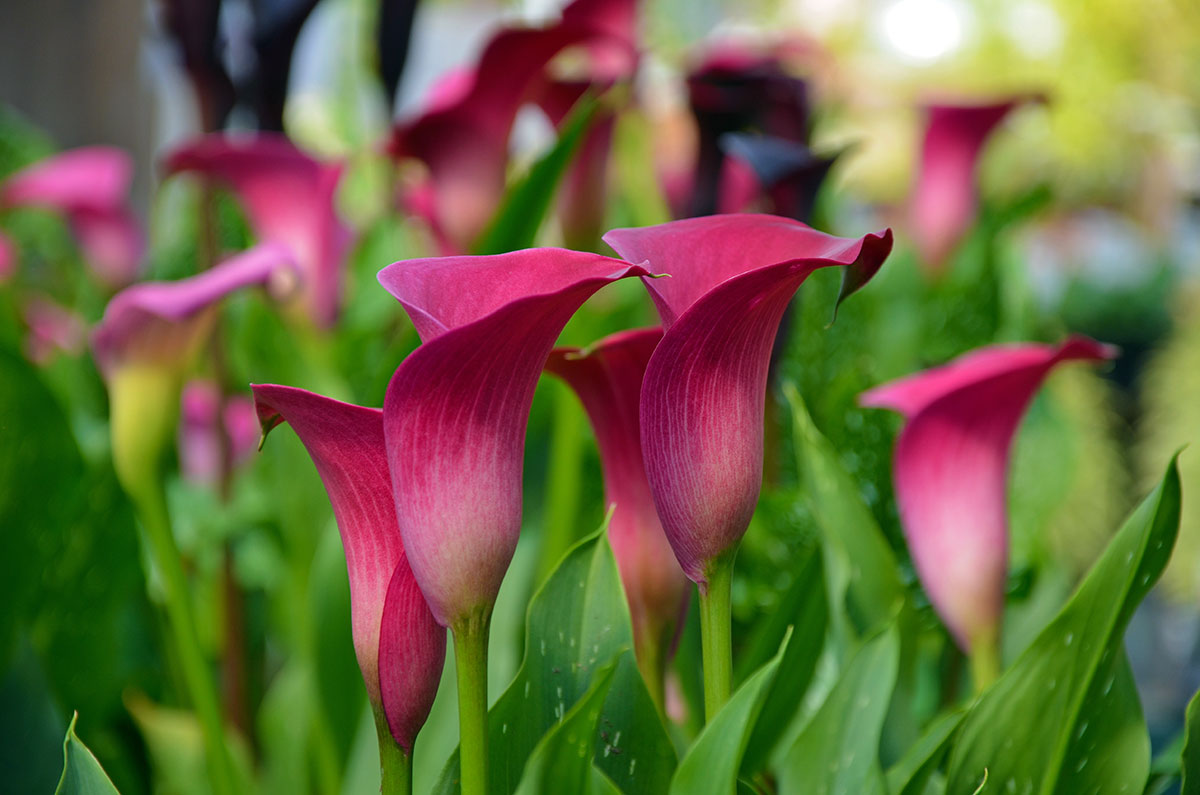
They often come in white, pink, deep burgundy, and red shades, making them a gorgeous option for red and pink plants for Valentine’s Day.
Quick Care Tips:
- Light: Bright indirect light
- Water: Keep soil lightly moist while blooming
- After flowering: Allow it to rest and dry out a bit — it may bloom again later
This is a perfect gift for someone who loves elegance without fuss.
How to Care for Calla Lilies
Calla lilies prefer bright, indirect light; if you notice your plant leaning toward the light, you will need to rotate it to keep it even. They like moist soil, so be careful not to let the soil dry out.
Overwatering can cause the rhizome to rot, so pay careful attention to your soil moisture. You might even want to mist this plant to increase humidity. Once the flowers are gone, you can reduce watering. Fertilize once a month until the flowers die.
The best thing about this indoor plant is that you can move it outdoors in the summer and it will make a great addition to your garden. Plant it in full sun.
6. Sweetheart Hoya (The Easy Relationship Plant)
The sweetheart hoya is literally heart-shaped. It’s also the definition of low-maintenance love.
How to Care for Sweetheart Hoya:
- Light: Bright light
- Water: Rarely — let it dry out fully
- Personality: Thrives on neglect (honestly, relatable)
A hoya is like an easy relationship: low drama, low effort, and beautiful.
7. Orchids (The Challenging Relationship)
Orchids are stunning. Elegant. Sophisticated. They are also… particular.
I absolutely love orchids. They are so beautiful, but can also be fickle bloomers. They are a challenge to get to rebloom unless you find the perfect window with bright, indirect light. Mine rebloom often in the winter.
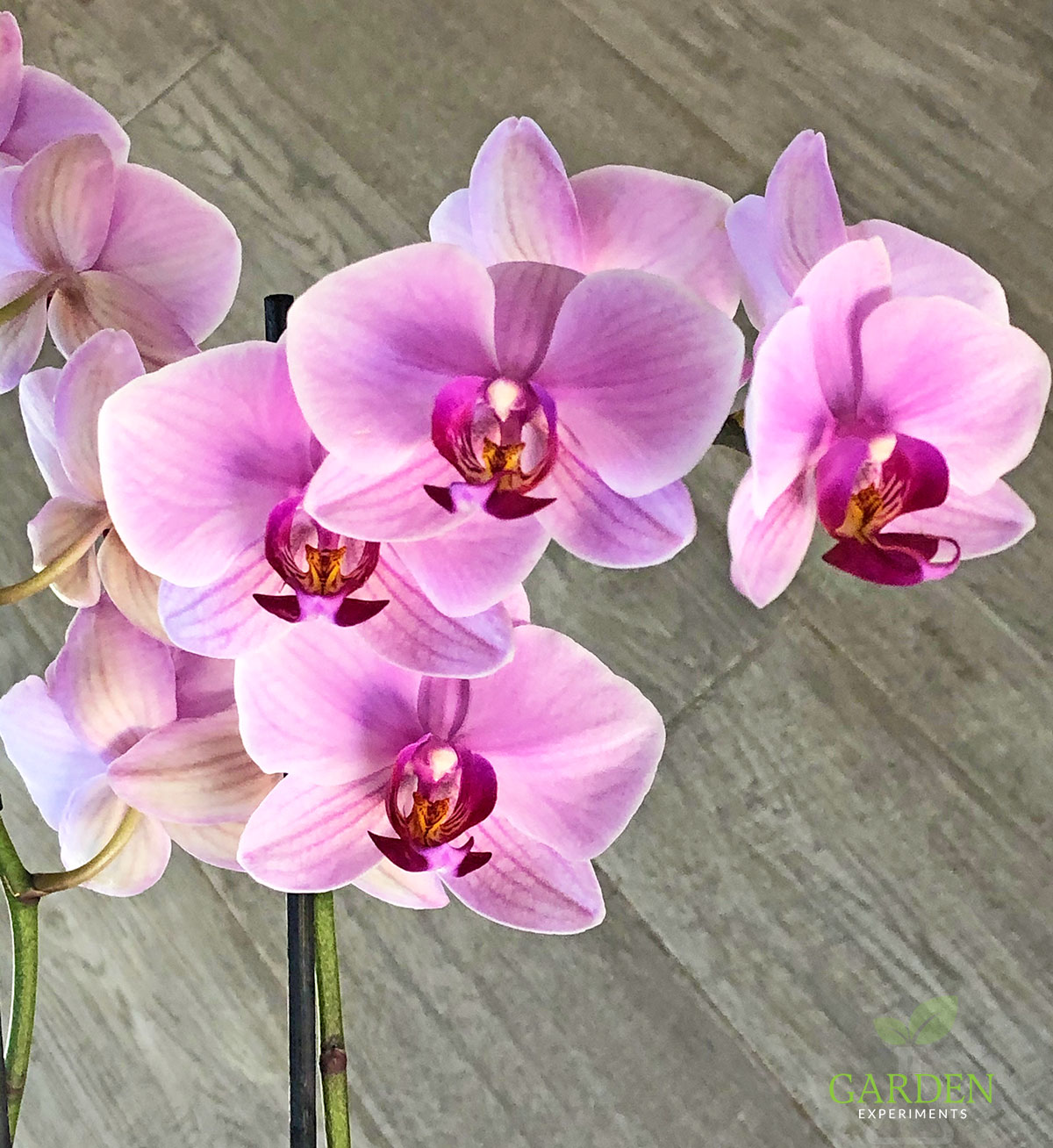
You can find different species of orchids in most stores and in shades of magenta and white. Phalaenopsis orchids (also known as the moth orchid) are the easiest to care for and most commonly found in stores. These orchids prefer bright indirect light and must not be overwatered.
How to Care for Moth Orchids:
- Light: Bright indirect
- Water: Once a week, no more
- Needs: The right spot, the right routine
An orchid is like a high-maintenance relationship: worth it, but only if you understand what you’re signing up for.
How to Water Orchids
The easiest way to water your orchid is to water a tiny bit every 3 to days. Use orchid fertilizer about once a month.
8. Begonia (The Stylish Valentine)
Begonias have gorgeous blooms and interesting foliage — very “I have good taste” energy.
Their pink and red flowers make them an excellent plant for your Valentine.
How to Take Care of a Begonia:
- Light: Bright indirect light
- Water: Water when top soil is dry
- Avoid: Wet leaves (they’re a little dramatic)
A great gift for someone who likes pretty things and houseplants.
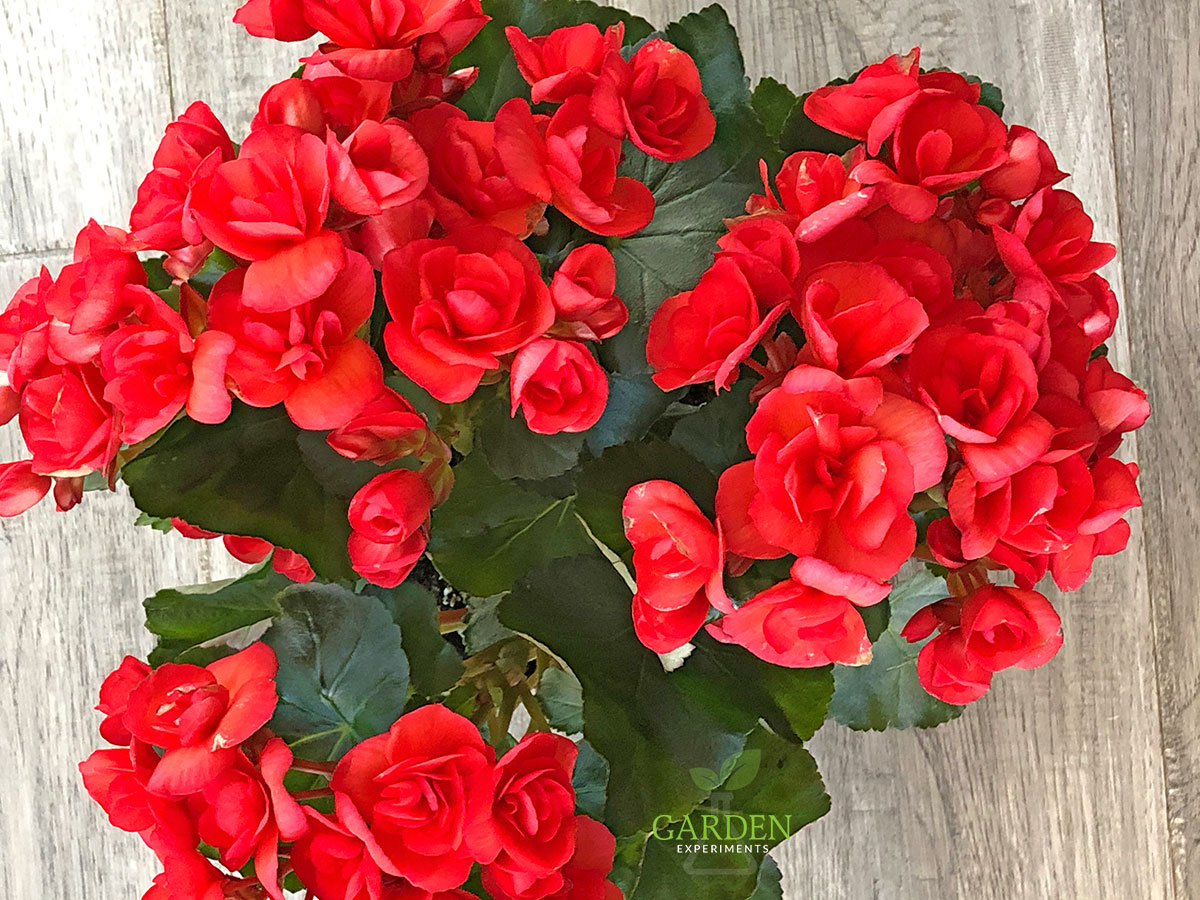
Begonias make a wonderful indoor flowering plant too, and they’re easy to take care of – just a little bright indirect light and evenly moist soil will do. Flowering begonias come in pinks, whites, reds, and yellows. There are many different types, so ask your local florist or garden center for specific care instructions.
9. Miniature Roses (Classic Romance, Indoors)
Mini roses in pink or red are basically Valentine’s Day in plant form.
Care:
- Light: As much sun as possible
- Water: Keep evenly moist, not soaked
- Best move: Eventually plant outdoors if possible
They’re beautiful… but they do ask for commitment.
10. Clivia (The Underrated Long-Term Partner)
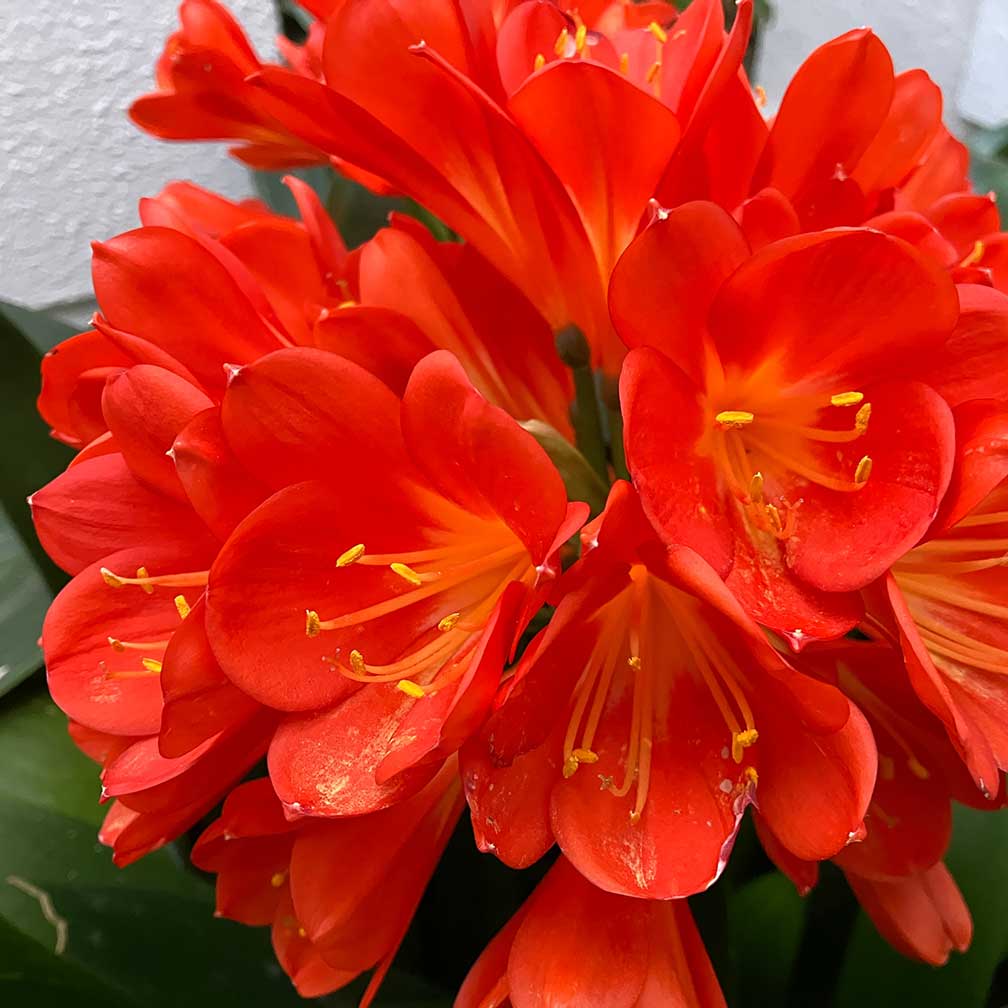
Clivia produces clusters of orange-red blooms and lasts for years.
How to Care for Clivia Plants:
- Light: Bright indirect
- Water: Let dry slightly between watering
- Bonus: Blooms best when slightly root-bound
This is a “we’re in it for the long haul” kind of plant.
Quick Valentine Plant Matchmaker Guide
Not sure what plant to pick? Here’s the fun way to decide:
For brand-new plant parents:
- Kalanchoe (easy, forgiving)
- Sweetheart hoya (thrives on neglect)
- African violet (small and cheerful)
For someone who wants romance and drama:
- Amaryllis (big blooms, big energy)
- Mini roses (classic Valentine vibes)
- Calla lily (elegant and cinematic)
For the “we’re serious” relationship:
- Clivia (long-lasting and loyal)
- Anthurium (heart-shaped blooms for months)
For the “it’s complicated” love story:
- Orchid (beautiful but very picky)
Try Something Beyond Roses This Valentine’s Day
This year, skip the short-lived bouquet of roses and give a gift that grows.
With the right Valentine’s Day plant, you’re not just giving flowers — you’re giving something lasting, meaningful, and honestly more fun.
Plus, if it blooms again next year? That’s basically a bonus love letter.
